Greyhound Derby & Major UK Races: The Events That Define the Sport
 Available in US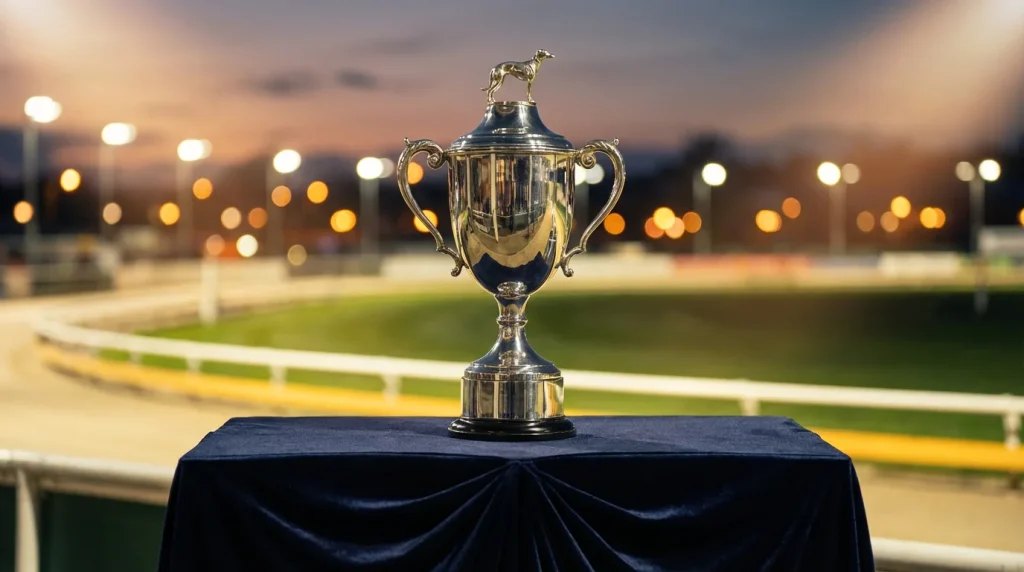
Major Events Are Where Greyhound Racing Remembers It’s a Sport
For most of the calendar, greyhound racing is a betting product — graded cards, BAGS meetings, a steady flow of anonymous six-dog races consumed through betting shop screens and phone apps. Then the major events arrive, and the sport becomes something more. The English Greyhound Derby, the St Leger, the Cesarewitch, and a handful of other feature competitions attract the best dogs, the biggest crowds, and the kind of media attention that the everyday programme never generates. These are the events that produce the sport’s stars, test its finest athletes, and remind everyone involved why greyhound racing matters beyond the daily betting turnover. Find more race guides at dogracingfastresults.
For bettors, major events present a different analytical challenge than routine graded racing. The fields are stronger, the form comes from multiple tracks, and the betting markets are deeper and more competitive. The approaches that work on a Tuesday evening BAGS card need adjustment when you’re assessing an open-class Derby semi-final.
English Greyhound Derby
The English Greyhound Derby is greyhound racing’s most prestigious event and the closest thing the sport has to a Grand National or a Cup Final. First run in 1927, just a year after the sport arrived in Britain, the Derby has been the championship race of UK greyhound racing for nearly a century. It has moved between venues over its history — White City, Wimbledon, Towcester, and Nottingham among them — with the host track reflecting the state of the sport at each era.
The Derby is a knockout competition run over 500 metres at its current home. The format involves qualifying rounds, quarter-finals, semi-finals, and a final, spread across several weeks. Dogs enter from tracks across the UK and Ireland, and the competition serves as an unofficial championship that identifies the best greyhound in the country — arguably in the world — at that distance in that year.
The betting interest around the Derby is significantly higher than for any other greyhound event. Ante-post markets open weeks before the competition begins, and the odds shift through the qualifying rounds as dogs prove their credentials or fall by the wayside. Betting on the Derby requires tracking form across multiple tracks, assessing how dogs handle the specific venue used for the competition, and evaluating the draw in each round — factors that are less relevant in standard single-track graded racing.
Derby winners become the sport’s marquee names. Dogs like Mick the Miller in the 1930s, Ballyregan Bob in the 1980s, and more recent champions have achieved recognition beyond the greyhound racing community. Winning trainers and owners gain prestige and commercial value for their kennels, and the Derby final night typically draws the largest trackside crowd and television audience of the greyhound racing year.
The prize money for the Derby has fluctuated with the sport’s financial health but remains the richest purse in UK greyhound racing. The final alone is worth a substantial sum to the winning connections, and the cumulative prize fund across all rounds makes the competition financially significant for the kennels that progress deep into the event.
For bettors looking to engage with the Derby, the competition rewards patience and progressive assessment. The early rounds reveal which dogs are handling the track and the occasion. The semi-finals, where the six finalists are determined, are often the most informative betting heats because the best dogs are running against each other for the first time, producing direct form comparisons. The final itself is typically a competitive, closely contested race — exactly the kind of open event where detailed form analysis and pace-mapping can provide a genuine edge.
St Leger & Cesarewitch
The Greyhound St Leger is the premier staying event in UK dog racing, run over a longer distance than the Derby and testing a different set of athletic attributes. Where the Derby rewards speed and tactical versatility over middle distances, the St Leger demands stamina, sustained pace, and the ability to negotiate additional bends without losing concentration or momentum.
The St Leger has been contested since 1928 and has occupied various venues through its history. The competition format mirrors the Derby’s knockout structure, with qualifying rounds leading to a final. The staying distance — typically 630 metres or above, depending on the host track — limits the field to specialist stayers and versatile dogs with proven stamina, which produces a different competitive dynamic than the broader Derby entries.
Betting on the St Leger requires attention to sectional profiles and distance form. A dog that dominates at 480 metres may lack the reserves to sustain its pace over the extended trip. The form indicators that matter most are finishing sectionals — how the dog runs the final stages of its races — and any previous experience at staying distances. Dogs stepping up in trip for the first time in a major competition are a risk; those with proven stamina at the distance are a safer assessment.
The Cesarewitch is another major staying event, typically run over an even longer distance than the St Leger at some venues. It attracts specialist stayers and provides a complementary championship to the Derby’s middle-distance focus. The event carries strong historical resonance and remains a highlight of the staying racing calendar.
Other Major Events
Beyond the Derby, St Leger, and Cesarewitch, the UK greyhound calendar includes several other competitions that attract competitive fields and elevated betting interest.
The TV Trophy, broadcast on Sky Sports Racing, provides a nationally televised showcase for top-class greyhounds. The competition typically runs at a specific track over several weeks, with qualifying heats and a final. The television exposure gives the event a profile beyond the core greyhound racing audience and generates substantial betting turnover.
The Scurry Gold Cup is the premier sprint championship, testing dogs over short distances where explosive trap speed and first-bend position are decisive. Sprint racing produces a different spectacle and a different betting challenge, and the Scurry attracts the fastest short-distance dogs in the country.
Track-specific championships at major venues — feature events at Nottingham, Monmore, Romford, and others — provide regular high-quality racing throughout the year. These are open-class events that sit below the national championships in prestige but above the everyday graded programme in quality. They’re worth following because they often feature the same dogs that will contest the national events, providing early form clues for the bigger competitions.
The Puppy Derby and other age-restricted events identify the rising stars of greyhound racing. These competitions are confined to younger dogs, typically under two years old, and the winners often go on to contest senior championships. Betting on puppy events carries higher uncertainty because the form is less established, but the returns can be substantial when you correctly identify a talented young dog before the market catches up. Also read our greyhound grading system.
The Races That Define the Sport
Greyhound racing’s major events serve a purpose beyond prize money and prestige. They remind everyone — participants, spectators, bettors, and the wider public — that this is a competitive sport with elite athletes, genuine drama, and outcomes that reward skill as much as luck. The everyday programme is the sport’s commercial backbone. The major events are its soul. For bettors, they’re also the occasions where the biggest fields, the deepest markets, and the most concentrated form data come together to produce the most analytically engaging racing of the year.
