Greyhound Adoption & Welfare UK: Racing Retirement & Rehoming
 Available in US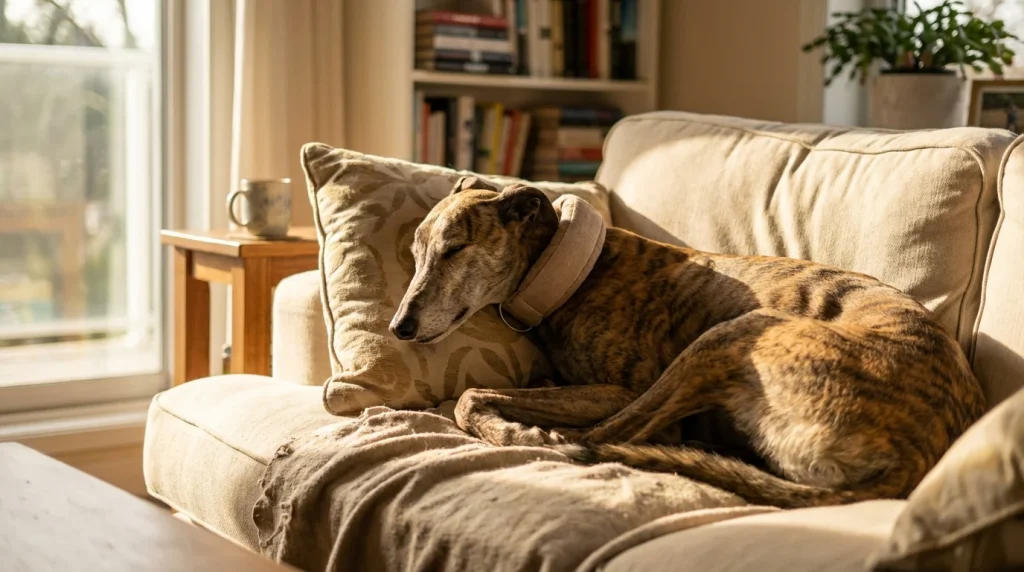
Every Racing Greyhound Needs a Second Career
A racing greyhound’s career is short. Most dogs begin racing at around eighteen months and retire between three and five years old. That leaves a healthy, athletic animal with potentially a decade of life ahead of it and no further role in the sport that bred and trained it. What happens to greyhounds after racing is the most consequential welfare question the sport faces, and the answer has improved substantially over the past two decades — though significant challenges remain. Learn more at dogracingfastresults.
For bettors, welfare isn’t a separate issue from the sport they follow. The greyhounds whose form you study and whose races you bet on are living animals with needs that extend beyond the track. The industry’s approach to welfare and rehoming affects public perception, regulatory oversight, and the long-term viability of the sport itself. Understanding where the progress has been made — and where the gaps persist — is part of engaging with greyhound racing honestly.
GBGB Welfare Standards
The Greyhound Board of Great Britain has implemented a welfare framework that covers greyhounds from registration through to retirement. All dogs racing at GBGB-licensed tracks must be registered, identified by ear brands and microchips, and subject to welfare checks throughout their racing careers.
Kennel inspections are conducted regularly, and trainers must meet minimum standards for accommodation, exercise, diet, and veterinary care. The GBGB employs independent veterinary surgeons who attend race meetings to assess dogs before and after racing, and any dog showing signs of illness, injury, or unsatisfactory condition can be withdrawn from competition. Drug testing is part of the integrity and welfare regime, with random samples taken at every meeting.
The injury management protocol requires that any greyhound injured during a race receives immediate veterinary attention, and the injury must be recorded and reported. The GBGB publishes annual injury and welfare statistics, providing transparency on the rate of injuries, their severity, and the outcomes. Track safety standards — the surface condition, trap maintenance, and bend geometry — are regulated with the aim of minimising the risk of racing injuries.
Critics of the sport argue that these standards, while improved from previous decades, remain insufficient. Greyhound racing inherently involves physical risk — the speeds, the close-quarters racing, the bends — and injuries ranging from muscle tears to fractures occur regularly. The sport’s defenders point to the declining injury rates as evidence that welfare investment is working, while acknowledging that racing will always carry some degree of physical risk for the animals.
The most significant welfare development in recent years has been the mandatory retirement tracking requirement. The GBGB now requires that the retirement destination of every registered greyhound is recorded, creating an audit trail that tracks dogs from their last race to their rehoming. This system doesn’t guarantee a positive outcome for every dog, but it makes it far harder for greyhounds to disappear from the system without accountability.
Retirement & Rehoming
The rehoming challenge is a numbers problem. Thousands of greyhounds retire from racing in the UK each year, and each one needs a suitable home. The infrastructure for rehoming has expanded significantly, driven by dedicated charities, increased GBGB funding, and growing public awareness that greyhounds make excellent pets.
Retired racing greyhounds transition to domestic life more easily than many people expect. Despite their athletic background, greyhounds are famously calm, gentle dogs that adapt well to home environments. They’re often described as “forty-mile-per-hour couch potatoes” — capable of extraordinary speed in short bursts but content to spend the majority of their time resting. They require less exercise than many breeds of similar size and are generally good with children and other animals, though individual temperaments vary.
The rehoming process typically involves an assessment period at a rescue centre or foster home, where the dog is evaluated for temperament, socialisation with other animals, and any health or behavioural issues that need addressing before placement. Many greyhounds have never lived in a house, experienced stairs, or encountered domestic pets, so the transition period is important for both the dog and the adopter.
The GBGB’s Greyhound Retirement Scheme provides funding to support rehoming, and the board works with a network of approved rehoming organisations across the UK. Trainers are encouraged — and in some cases required — to ensure that retiring dogs are placed with approved rehoming bodies rather than being rehomed privately without oversight. The system is more robust than it was a decade ago, though capacity constraints at rescue centres mean that the pipeline from racing to rehoming doesn’t always flow smoothly.
Fostering programmes have emerged as an important supplement to traditional adoption. Foster carers provide temporary homes for recently retired greyhounds while permanent placements are found, reducing pressure on rescue centre capacity and giving dogs a home environment to acclimatise to before their permanent adoption. Several UK charities run structured fostering schemes with support, training, and veterinary provision for foster carers.
Adoption Charities UK
A network of charities and rescue organisations operates across the UK specifically focused on greyhound rehoming. These range from large national organisations to small, volunteer-run local groups, and together they process thousands of adoptions each year.
The Retired Greyhound Trust, which operated as the primary national rehoming charity for decades, was one of the most recognised names in greyhound welfare before its restructuring. Its work has been continued and expanded by successor organisations and regional charities that maintain the rehoming infrastructure across England, Scotland, and Wales.
Regional charities fill critical gaps in coverage. Greyhound Rescue West of England, Greyhound Trust branches across multiple regions, and independent rescues in Scotland and the north of England each serve their local area with adoption services, veterinary support, and public education about the breed. Many of these organisations rely heavily on volunteer labour and public donations, making their sustainability dependent on ongoing community support.
The adoption process through most UK greyhound charities involves an application, a home assessment, a matching process based on the dog’s temperament and the adopter’s circumstances, and post-adoption support. Adoption fees are typically modest and cover the cost of neutering, vaccination, dental treatment, and microchipping. Most charities provide ongoing advice and will accept dogs back if the placement doesn’t work out, ensuring a safety net for both the dog and the adopter.
After the Last Race
The transition from track to home is the final chapter for every racing greyhound, and the quality of that chapter reflects on the entire sport. The progress made in welfare standards, rehoming infrastructure, and public awareness over the past twenty years is genuine and measurable. More greyhounds are tracked, more are rehomed through formal channels, and the culture within the sport has shifted towards taking responsibility for dogs beyond their racing careers. Also read our greyhound racing history.
But the challenge persists. As long as thousands of dogs retire from racing each year, the demand for rehoming capacity will remain, and the gap between the number of dogs needing homes and the number of suitable adopters will require constant effort to bridge. For anyone involved in greyhound racing — whether as an owner, trainer, bettor, or spectator — supporting the rehoming process, even modestly, is part of engaging with the sport responsibly. The dog that won you last Tuesday’s bet deserves a sofa to sleep on next year.
